Monday, 18 June 2018

Exeter to St Pancras via Exmouth, Sidmouth and Plymouth June 12-16

Exeter to St Pancras-Along the Coast of County Devon

Arrived in Exeter late afternoon of Tuesday June 12 and settled into the comfortable Queens Court Hotel to freshen before dinner with Ngaire's distant relative and his wife and son.

The next morning we were collected by Derek, the reli, and taken on a tour of Exeter, Exmouth and Sidmouth. It was a great day .

Exeter was a substantial manufacturing and distribution centre that has felt the effects of economic downturns and globalisation. It was targeted by German bombing raids during the war and was significantly damaged as were most major centres in South West England and the country as a whole.

Exmouth is the traditional Port city at the mouth of the river Exe which runs through Exeter on it's way to Exmouth. In the heyday of the Port, trade came in and out of Exmouth and was delivered to and from Exeter by barge and smaller trading ships and boats.

Sidmouth was originally a fishing village at the 'mouth of the Sid'. Today it is a tourist centre and retirement hub and is the gateway to the Jurassic Coast World Heritage site.

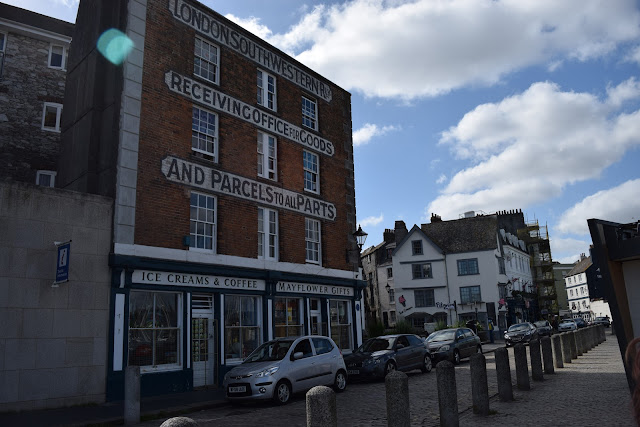
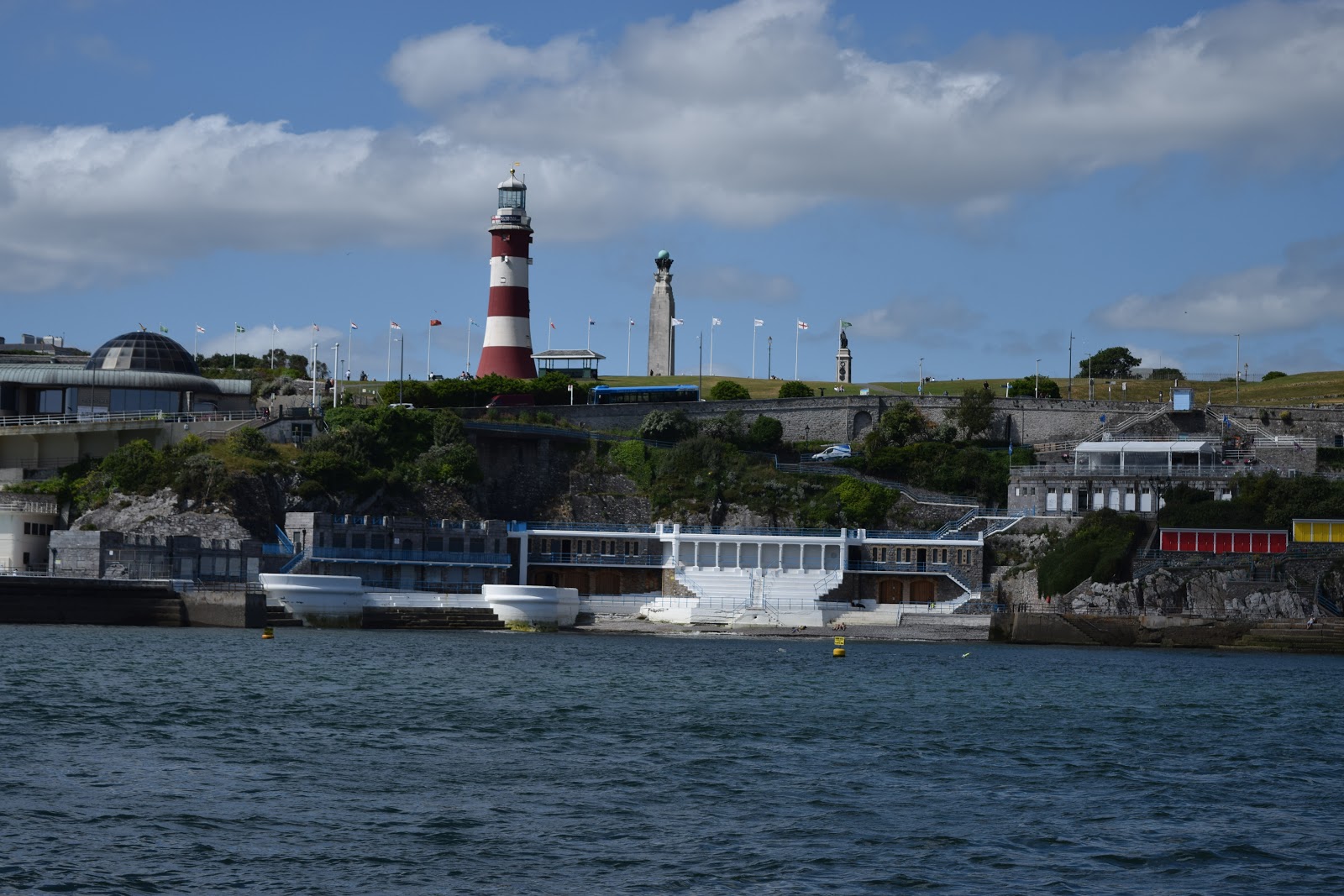
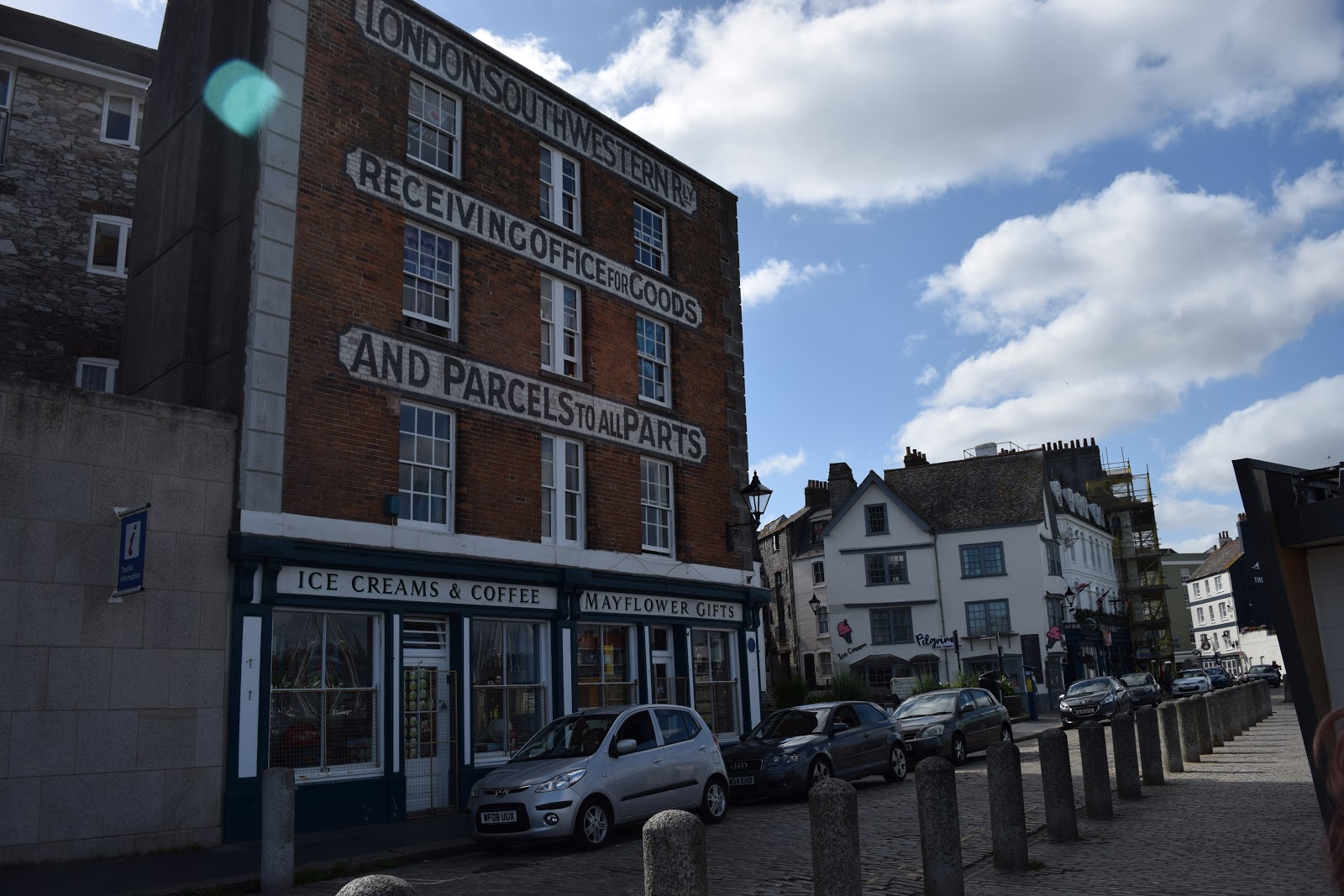
Plymouth is a famous Port city, and it's early history extends to the Bronze Age. Plymouth borders the counties of Devon and Cornwall where the mouths of the rivers Plym and Tamar enclose the city and are incorporated into Plymouth Sound which forms the boundary with Cornwall. Plymouth is steeped in maritime history and was the home to Sir Francis Drake and the Mayflower, famous for it's voyage to the Americas. Drake led the English naval forces out of Plymouth to defeat the Spanish Armada in 1588, not before completing his game of bowls on the Plymouth Hoe , a large grassed area of public space overlooking Plymouth Sound.

Plymouth was heavily bombed during the second world war and the city centre all but destroyed and was totally rebuilt after the war. Plymouth played an important role in the preparation toward and launching of the D Day invasion of Normandy on June 6 1944 and was host to thousands of American troops.

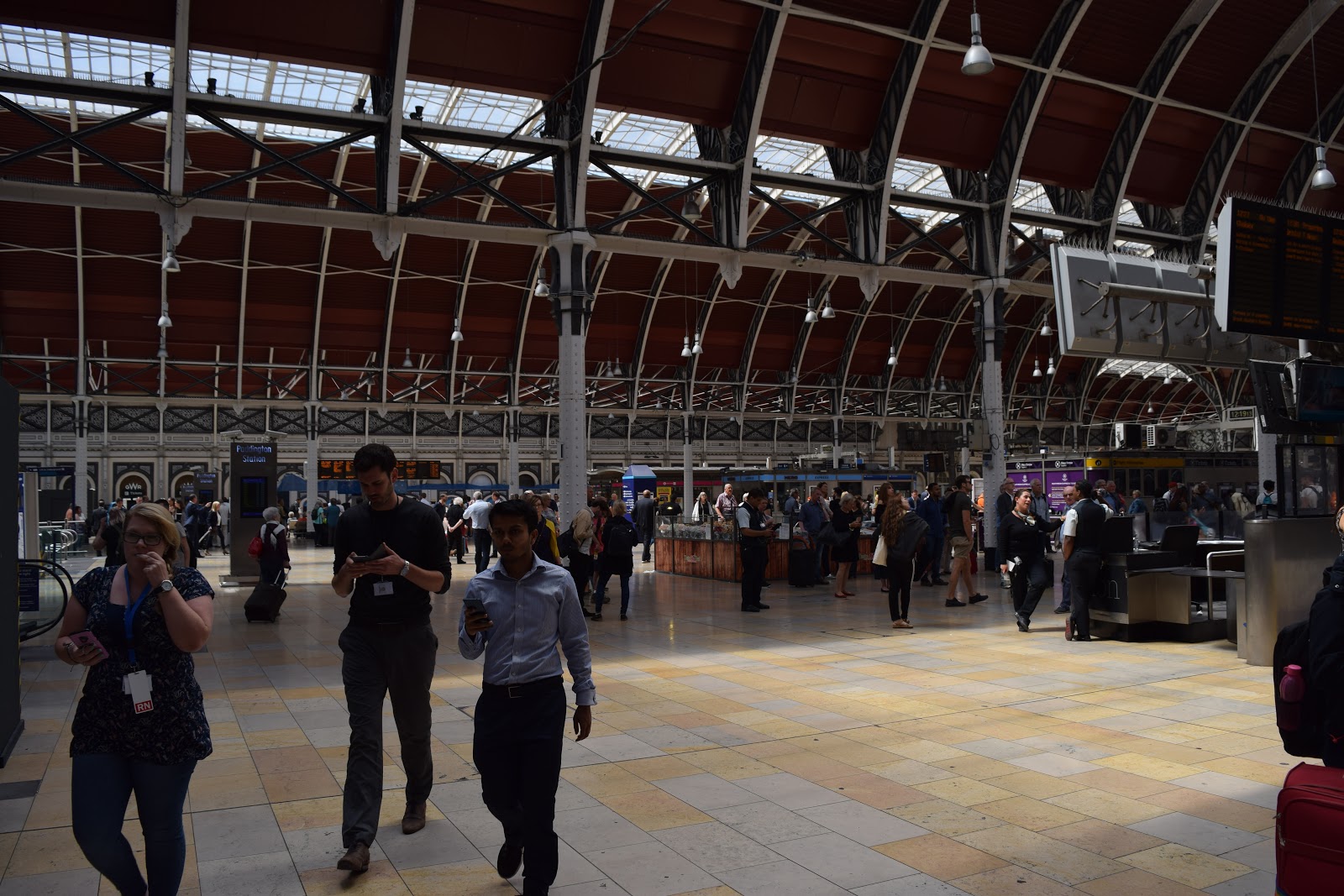
Departed Plymouth Sat. 16 for our journey to 'Gay Paree', the city of light. Train from Plymouth to Paddington, tube to Kings Cross-St Pancras International then Eurostar to Paris, all in 61/2 hrs!


Our Exeter Hotel

Sightseeing Wed. 13 June 

Mouth of the River Exe at Exmouth


Exmouth Cricket Club

Exmouth Bowling Club


Beach at Exmouth

On our way to Sidmouth, slowly and carefully!

Lunch at the Harbour Hotel Sidmouth


View of Coastal Sidmouth

Sidmouth War Memorial

Plymouth Hotel

Lounge area

Sightseeing around Plymouth 14-15 June

Plymouth WW11 Naval Memorial


Bonjour Paris


Saturday, 16 June 2018

On our way to Spain via Glastonbury, Exeter, Plymouth and Paris and return June 9 to July 20


After all the preparation over the past year we are back in the UK on our way to Spain for our challenging adventure by foot.

Monday 11th & Tuesday 12th we travelled by train from Heathrow to Paddington and on to Taunton where we picked up a car for a short drive to Glastonbury to finish last years itinerary which was disrupted by a damaged wheel to our hire car. The highlights of this visit was the Glastonbury Abbey, Tor and Chalice Well.


We stayed at a great old pub, The Red Lion  previously a coach house, at West Pennard on the outskirts of Glastonbury. Our stay here for one night was too short!

Tuesday 12th after seeing some wonderful sights we made the short trip back to Taunton returning the car  then by bus to Exeter. Buses replaced the normal train service due to track upgrade.

Arrived at Exeter St David station late afternoon and made the short, uphill walk to the Queens Court Hotel for our 1 night stay for our meeting with Derek, a long lost relative of Ngaire's. This was the main reason for the UK leg of the visit. We arranged to meet at Exeter last year but due to a mix up with times missed our meeting by 15 minutes.

Derek and his wife Eillene picked us up and took us for dinner where their son David also joined us. The next morning, after checking out, Derek picked us up and took us on a tour of Exeter, Exmouth and Sidmouth, where we had lunch at a  beautiful hotel overlooking the coast. After a most memorable and enjoyable day Derek dropped us off at the station for our onward train trip to Plymouth.

Arrived late afternoon Wednesday 13th at the Grosvoner Hotel after a reasonably strenuous walk from the station for our 3 night stay. We walk every opportunity as it all contributes to our Camino preparation.

Woke up to a windy, rainy morning which was only short lived. We put all our laundry in our packs and made the 20 minute walk to Bubbles Launderette, did the washing and made our way back via the city centre.     

                           OUR FLIGHTS

Our 'Big Bird' leaving Adelaide Saturday June 9


Sunrise over Dubai


Emirates Airbus A380 Dubai to Heathrow


Heathrow from our Hotel 1 night layover


'I know there's a bloody runway somewhere!

LONDON PADDINGTON TRAIN STATION


Heathrow Express arrives at Paddington

Great Western Railway High Speed Train (HST)

'Paddington Bear' HST

Relaxing on the trip to Taunton

GLASTONBURY

 The Red Lion West Pennard


A Highlight of UK Travel-Old Pubs!

Glastonbury in Somerset County is world famous for it's annual music festival attracting tens of thousands each year from all around the world. It is not just the music festival that has put Glastonbury on the map. Much older and accessible all year round are historical and mystical sites that also attract visitors from around the world.

 Glastonbury Abbey was constructed in the 7th century and expanded in the 10th century and was the first christian  monastic site in Britain. A great abbot of Glastonbury, St Dunstan, devised the coronation ceremony that is still used today.

Legend has it that in the 12th century monks discovered the burial site of King Arthur. 

Glastonbury Tor is a hill adorned on top with the roofless structure of the tower of St Michael's, all that remains from a church built in the 14th century. Numerous structures have existed on the Tor all of which have been destroyed and or replaced. The hill is made up of clay with a mix of limestone and shale layers. The surrounding softer deposits eroded exposing the Tor, which is terraced but the reasons for which remain inexplicable.

Artefacts from human visitation date back from the Iron Age to the Roman era. The Tor is mentioned in Celtic mythology and with myths linked to King Arthur. The Tor has a number of other mythological and spiritual associations.

Chalice Well has been in constant use for 2000 years and issues 1,100,000 litres of water a day, never failing even through periods of severe drought. The iron oxide in the water give it it's reddish hue.

In addition to the numerous legends associated with Glastonbury, the well is portrayed as a symbol for the female aspect of deity with the male equivalent symbolised in the Tor.
Christian mythology suggests that the site of the well was where a chalice was placed that had caught drops of blood from the body of Christ at the crucifixion,  linking the well to speculation as to the existence of the Holy Grail.

Welsh and Irish mythology link wells as gateways to the spirit world, a much more plausible explanation!!!

St Patrick's chapel Glastonbury Abbey

Monastic Ruins Glastonbury Abbey


Lady Chapel Glastonbury Abbey

Sight of King Arthur's Tomb Glastonbury Abbey

Tower of present day Cathedral


Climb up to the Tor

The Ghost of St Michael !

  Looking up through the roofless Tower

View of Glastonbury from the Tor


Seeking the healing power of the Chalice Well spring water

Chalice Well Spring Water Fall

The Chalice Well

From here we returned the car at Taunton and took a replacement bus for the train to Exeter. Here we caught up with Ngaire's relie and spent a day sightseeing. This and our 3 night stay at Plymouth will be the next post.